How Did They Know His Passport Number? The “Enriched Data” Dossier No One Talks About
The phone rings at 10:15 AM. The caller ID says “Delhi Police.”
Most people would hang up. But then the voice on the other end does something that freezes your blood. He doesn’t just accuse you; he recites your life. Your full name. Your father’s name. Your permanent address. And then, the killing blow: Your Passport Number.
“Your passport was found in a parcel containing narcotics intercepted at Mumbai Customs,” the voice says with robotic authority. “You are under “Digital Arrest” Scam India protocol. Do not disconnect. This psychological pressure is designed to bypass your critical thinking through sheer sensory overload.”
In that second, the “Identity Nuke” hits. How could a scammer know my passport number? This single piece of data makes the lie feel like an undeniable reality.
But the truth isn’t a hack of a central government vault. It is the result of a global data supply chain that failed you years ago.
The “Enriched Data” Dossier
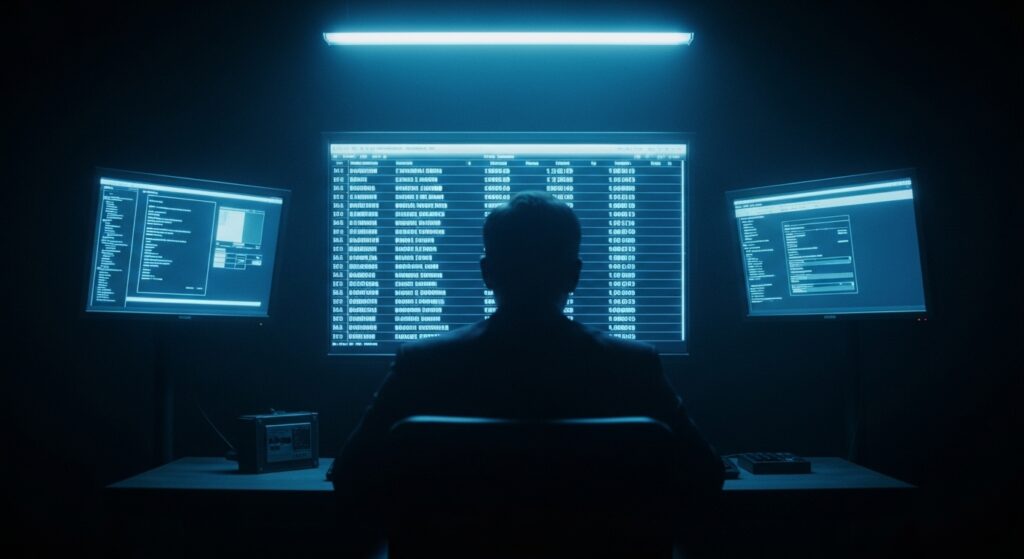
Scammers aren’t just “guessing” anymore. They are utilizing what the I4C (Indian Cyber Crime Coordination Centre) calls “Enriched Data.”
But here’s the twist: This isn’t a fresh leak. Syndicates are cross-referencing information from the 2021 SITA PSS global server breach—a massive leak that exposed the passport numbers and frequent flyer data of 4.5 million passengers worldwide.
By combining your old travel history with insecure third-party KYC aggregators and hotel registries, scammers build a “360-degree profile.” They aren’t just calling you; they are reading your own life back to you.
OFFICIAL DATA: According to the 2025 IBM Cost of a Data Breach Report, the average cost of a breach in India has surged to ₹21.2 Crore ($2.55M). This record-high valuation explains why your data is being traded and “enriched” across dark web forums for years before it is ever used in a scam.
The “Digital Arrest” Trap: A Psychological Prison
A “Digital Arrest” is a complete legal fiction. No law in India allows a police officer, CBI agent, or RBI official to “arrest” or “detain” you via a video call.
So what does that mean? It means you are entering a scripted “Black Box” operation:
- The Identity Nuke: They recite your passport or Aadhaar number to destroy your skepticism instantly.
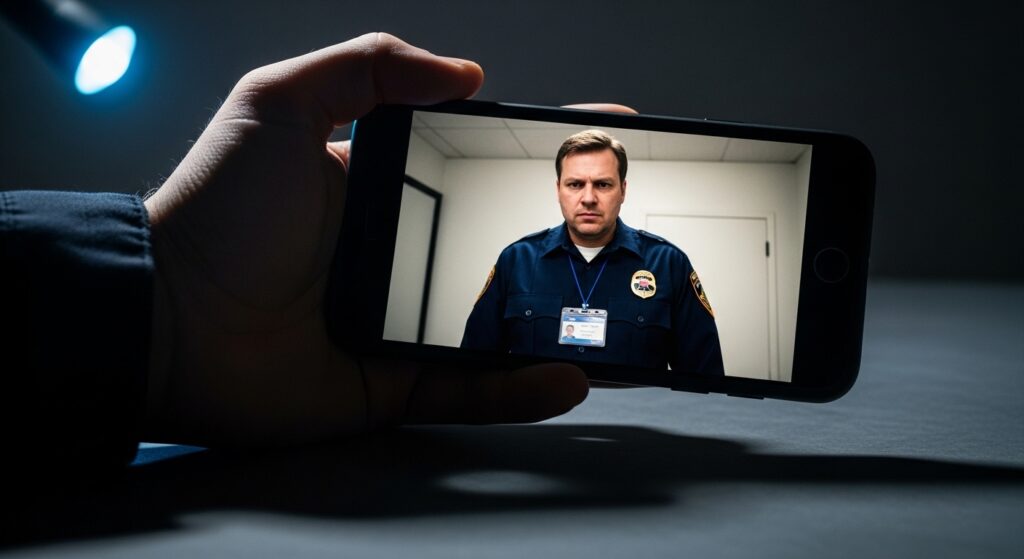
- The 24-Hour Surveillance: They force you to stay on Skype or WhatsApp, often using virtual backgrounds of “police stations” to simulate authority.
- The “Security Deposit”: They demand you move your savings to a “Safe Government Account” for verification. These are actually “Mule Accounts”—rented bank accounts used to wash the stolen money.
The Myanmar-Cambodia Connection
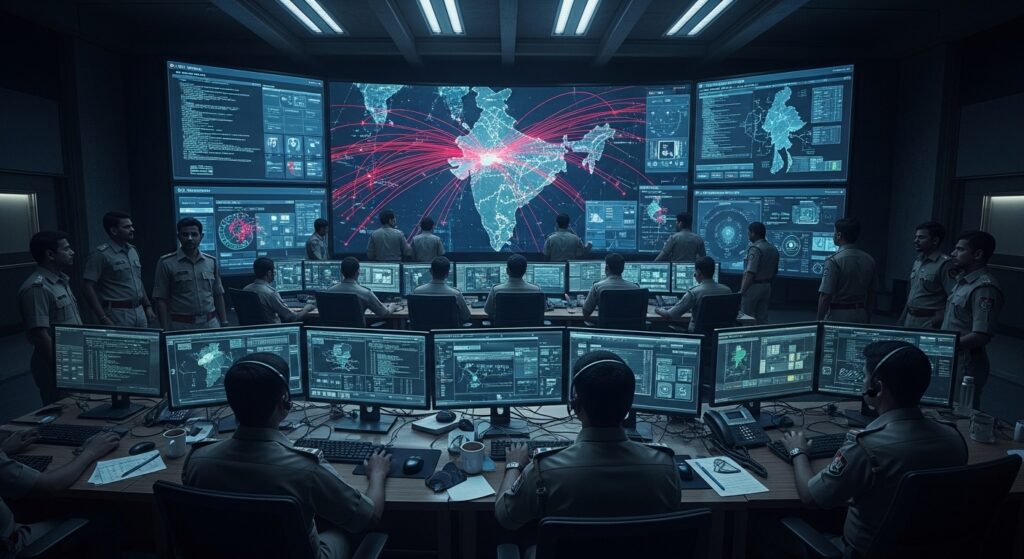
These calls are rarely local. They originate from massive, industrial-scale “Cyber-Slavery” hubs in SE Asia—specifically Cambodia, Laos, and the Myawaddy region of Myanmar.
As of late 2025, the Ministry of External Affairs (MEA) confirmed that thousands of Indians remain trapped in these regions, forced under threat of physical violence to scam their own countrymen. These are not just “scammers”; they are victims of trafficking being used as tools for digital extortion.
The Human Anchor: A Case Study
Consider a professional in Bengaluru who, in late 2024, lost over ₹1.2 Crore in just 48 hours. The scammers cited her actual Aadhaar details, which they had likely harvested from a physical photocopy left at a local touchpoint.
This is where the vulnerability starts. Every time you leave an unmasked photocopy of your ID at a hotel or a SIM kiosk, you are feeding the “Enriched Data” machine.
The “Golden Hour” and the CFCFRMS
What most people miss is that the first 120 minutes are the only time your money is truly recoverable. This is the “Golden Hour.”
If you realize you’ve been scammed, immediately dial the 1930 National Cybercrime Helpline. This triggers the CFCFRMS (Citizen Financial Cyber Fraud Reporting and Management System). This portal allows the I4C to communicate directly with banks to freeze the “Mule Account” before the scammers can move the funds into cryptocurrency or offshore hawala.
LAW & SAFETY PRECEDENT: To prevent physical-to-digital leaks, the UIDAI now recommends using “Masked Aadhaar.” This version of your ID hides the first 8 digits, leaving only the last 4 visible, making it useless for scammers while remaining valid for hotel check-ins.
The Contrarian Insight: The Myth of the “Secure” ID
We worry about high-level hackers, but the “Digital Arrest” Scam India usually begins with the most mundane failures. A leaked airline manifest from five years ago, combined with a photo of your ID on a hotel clerk’s phone, is all it takes to build a dossier.
The scammers aren’t brilliant; they are just organized.
The Bottom Line
If a “police officer” calls you on WhatsApp and shows you a “warrant” over video, it is 100% a scam. Real law enforcement will never ask you to stay on a video call to “clear your name.”
The “Identity Nuke” only works if you believe your ID is a secret. In 2026, it isn’t. But your savings can be—if you hang up.
What happens next depends on choices made today.
Will you trust the voice on the screen, or will you trust the 1930 helpline?